Sunbreaks through Suffering: Bright Spots in 2025

It’s safe to say that 2025 has left many individuals, communities, and nonprofits reeling. From atrocities committed against our immigrant and refugee brothers and sisters to nonprofits facing the loss of most (or all) of their federal funding, many of us have grown numb to new lows. The pace of attacks on liberty, democracy, and human dignity has made it hard to even keep up.
As a person with a disability, I’ve struggled to figure out how to participate in public demonstrations or protests when I can’t stand for long periods or walk significant distances. At times, I’ve felt left out, even guilty, for not being able to contribute my physical presence.
As a queer person, I’ve been heartbroken by the rapid reversal of years of progress in diversity, equity, inclusion, and protections for people who don’t fit neatly into normative identity boxes.
And as a consultant to nonprofits, I see fear growing about what 2026 may bring. We’ve watched national organizations, once assumed to be stable and untouchable, land squarely in the crosshairs or shut their doors altogether. Institutions we relied on, regardless of the political climate, are no longer guaranteed.
And yet…
In 2025, there have also been acts of courage and real shimmers of hope worth naming and celebrating!
Giving to Close the Gap
Across the country, individuals have stepped up to financially support organizations the federal government has aimed to dismantle, including record-breaking donations to public media like NPR.
Philanthropists such as MacKenzie Scott have dug in rather than retreated. In 2025, Scott donated a record $7.1 billion to nonprofits through her foundation, Yield Giving, largely as unrestricted funding. Moving forward, private philanthropists like Scott will increasingly need to shoulder the burden as public funding disappears.
We’ve also seen nonprofits begin to rethink their funding models; they are collaborating with peer organizations, launching joint programs, and fundraising together to reduce reliance on federal dollars and build resiliency.
Courage in the Face of Goliath

We’ve witnessed bravery from institutions willing to risk financial consequences rather than comply with unconstitutional demands. Harvard, for example, refused to disclose information on immigrant students (even under threat to its funding) drawing a clear line in defense of academic freedom and student safety.
Judges and legal organizations stood firm against executive orders attempting to freeze existing federal grants, target immigrants and refugees, or erode privacy protections for all Americans.
We’ve also seen businesses and business leaders choose equity over expediency. Hamdi Ulukaya, CEO of Chobani and an immigrant himself, has been one of the most outspoken corporate leaders supporting refugees. Chobani has committed to hiring refugees and providing legal assistance to employees who otherwise couldn’t afford it, despite political and financial risk.
An Upsurge in Advocacy
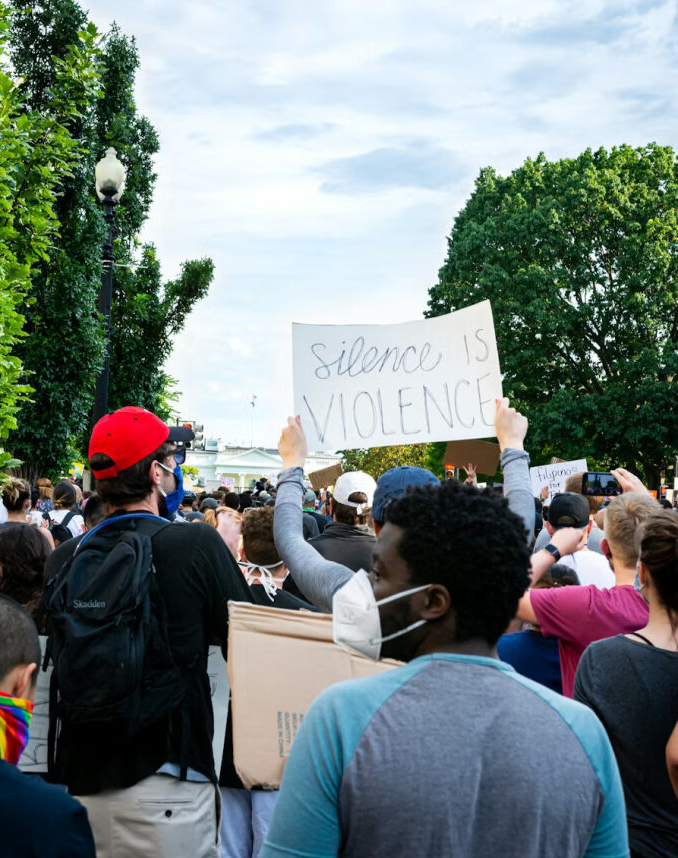
In 2025, hundreds of thousands of American citizens and undocumented people took to the streets, knowing full well that doing so could put them, or their cities, at greater risk.
Coalitions like the Protecting Immigrant Families (PIF) Coalition, representing more than 800 organizations nationwide, have coordinated advocacy at every level of government to protect immigrant access to public benefits and basic rights.
New alliances have also formed across movements. Groups like Freedom for All Americans bring together civil rights, faith-based, business, and LGBTQIA+ organizations to advance nondiscrimination protections and block harmful legislation; this proves that collective action remains one of our strongest tools.
Standing Strong in 2026
In my view, nonprofits and individuals alike will need to actively participate in advocating for causes and communities who will need support more than ever in 2026.
That doesn’t mean every organization needs a legislative advocacy department, or that every person must take to the streets. But it does mean finding and participating in existing movements, coalitions, and activities.
I challenge all of us to think critically about how we can encourage and reward those willing to stand up to government and private-sector bullies. If each of us commits to acts of courage, big or small, we can help stem the tide of cruelty and exclusion.
In fact, I look forward to writing my December 2026 blog post highlighting even more examples of groups, companies, leaders, and individuals who refuse to live in a society that rewards the powerful while punishing the most vulnerable among us.